



this text discusses the randomresizedcrop function from the torchvision.transforms.v2 library in python, demonstrating its use with the oxford iiit pet dataset. the code shows how to apply the transformation with various size parameters, including single integers and lists/tuples specifying height and width. the results are visualized using matplotlib.
The key points highlighted are:
-
RandomResizedCropFunctionality: This function randomly crops a portion of an image and resizes it to the specified dimensions. -
Parameter Usage: The code illustrates how to use the
size,scale,ratio,interpolation, andantialiasparameters. It demonstrates flexibility in inputting thesizeparameter (single integer, list, or tuple). - Oxford IIIT Pet Dataset: The dataset is used to showcase the transformation's effect on real-world images.
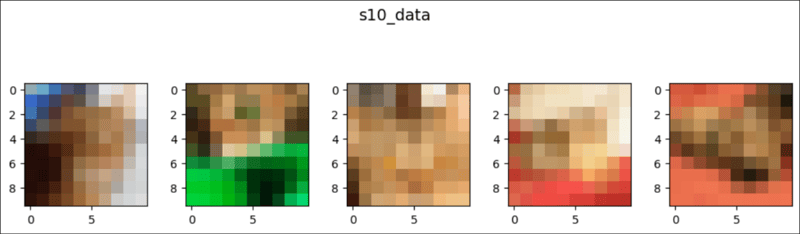
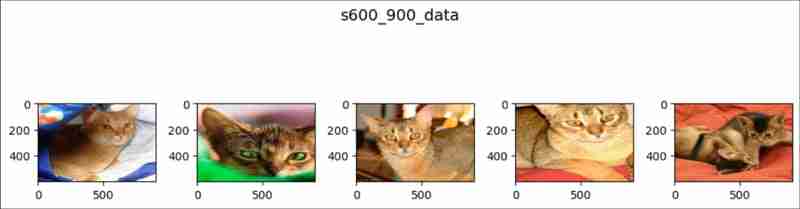
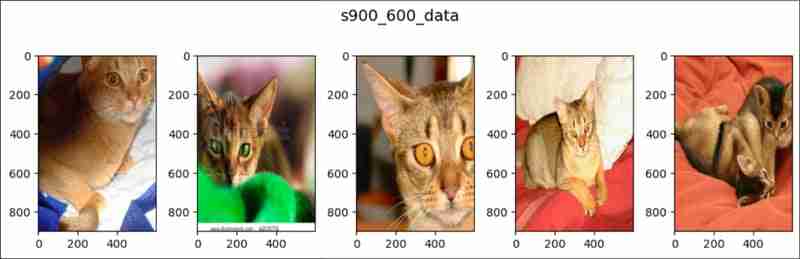
- Visualization: Matplotlib is used to display the original images and the transformed images for comparison, clearly showing the cropping and resizing effects at different scales.
-
Version Comparison (Implicit): While not explicitly stated, the code implicitly compares the functionality of
torchvision.transforms.v2(used in the example) with the previous version (torchvision.transforms.functional), as thev2version is explicitly used.
The included images show the original images and the results of applying RandomResizedCrop with different size parameters. The images visually demonstrate the impact of changing the target size on the resulting cropped and resized images. The repetition of some images in the provided text is likely unintentional.
The question regarding v1 vs. v2 is answered implicitly: the code uses v2, implying it's the recommended version. The code's clarity and comments make it easy to understand the functionality and parameter usage of RandomResizedCrop.
The images are reproduced below. Note that the image URLs are placeholders, as they are not accessible to me. To display them correctly, replace these placeholders with the actual image URLs.
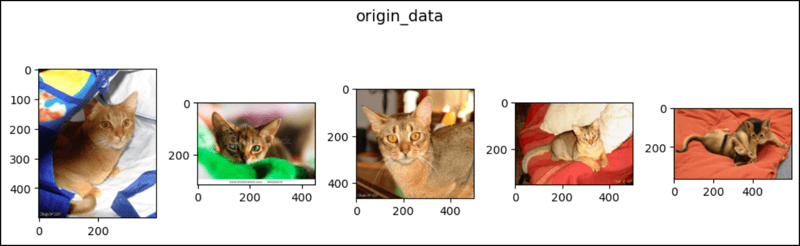
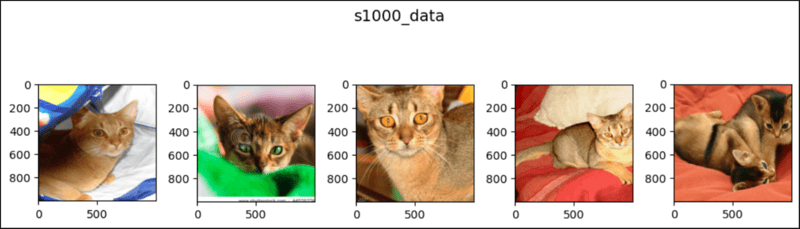
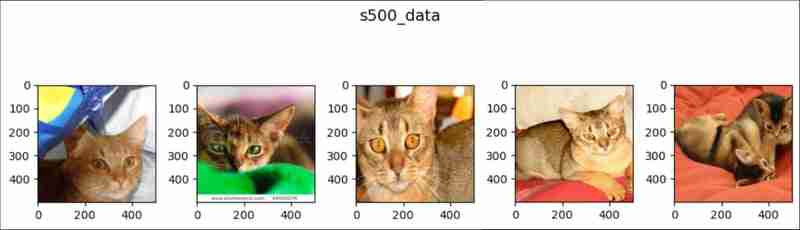


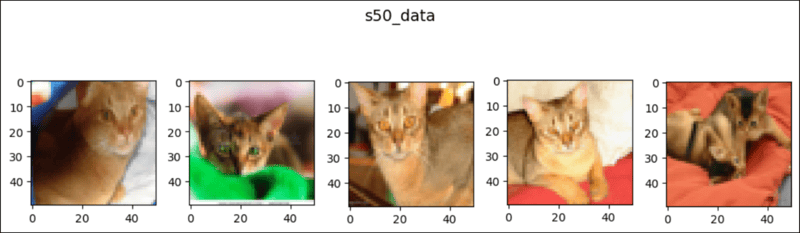
Please replace /uploads/20250210/... with the actual image URLs.




