



一、第一步:安装vue-router
npm install vue-router@4.0.0-beta.13
二、第二步:main.js
先来对比一下vue2和vue3中main.js的区别:(第一张为vue2,第二张为vue3)
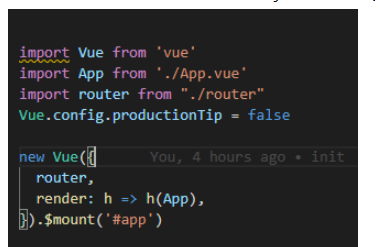
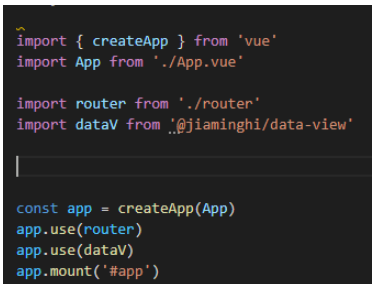
可以明显看到,我们在vue2中常用到的Vue对象,在vue3中由于直接使用了createApp方法“消失”了,但实际上使用createApp方法创造出来的app就是一个Vue对象,在vue2中经常使用到的Vue.use(),在vue3中可以换成app.use()正常使用;在vue3的mian.js文件中,使用vue-router直接用app.use()方法把router调用了就可以了。
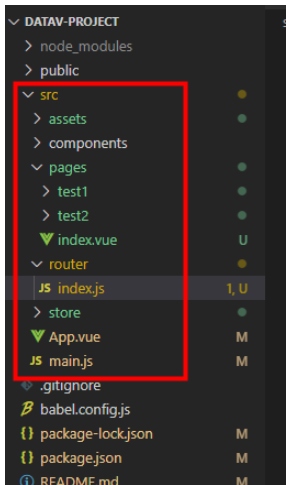
注:import 路由文件导出的路由名 from "对应路由文件相对路径",项目目录如下(vue2与vue3同):

三、路由文件
import { createRouter, createWebHashHistory } from "vue-router"

const routes = [
    {
        path: '/',
        component: () => import('@/pages')
    },
    {
        path: '/test1',
        name: "test1",
        component: () => import('@/pages/test1')
    },
    {
        path: '/test2',
        name: "test2",
        component: () => import('@/pages/test2')
    },
]
export const router = createRouter({
  history: createWebHashHistory(),
  routes: routes
})

export default router
四、app.vue
<template>
  <router-view></router-view>
</template>

<script>

export default {
  name: 'App',
  components: {
  }
}
</script>

<style>
#app {
  font-family: Avenir, Helvetica, Arial, sans-serif;
  -webkit-font-smoothing: antialiased;
  -moz-osx-font-smoothing: grayscale;
  text-align: center;
  color: #2c3e50;
  margin-top: 60px;
}
</style>
四、使用(比如跳转)
我们在需要使用路由的地方引入useRoute 和 useRouter (相当于vue2中的 $route 和 $router)
<script>
import { useRoute, useRouter } from 'vue-router'
export default {
  setup () {
    const route = useRoute()
    const router = useRouter()
    return {}
  },
}
例:页面跳转
<template>
  <h2>我是test1</h2>
  <button @click="toTest2">toTest2</button>
</template>
<script>
import { useRouter } from 'vue-router'
export default {
  setup () {
    const router = useRouter()
    const toTest2= (() => {
      router.push("./test2")
    })
    return {
      toTest2
    }
  },
}
</script>
<style  scoped>
</style> 




