


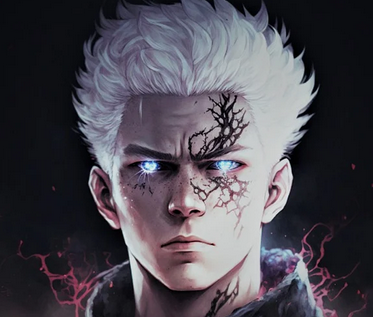
可尝试8种小众艺术流派提升AI头像辨识度与文化厚度:一像素风、二新水墨写意风、三波普艺术风、四浮世绘木口木刻风、五刮画风、六铜版画风、七折纸风、八故障艺术水墨风。
☞☞☞AI 智能聊天, 问答助手, AI 智能搜索, 免费无限量使用 DeepSeek R1 模型☜☜☜

如果您希望突破常规二次元风格的局限,为AI生成头像注入更具辨识度与文化厚度的艺术表达,则可尝试引入长期被主流提示词忽视但表现力极强的小众艺术流派。以下是针对像素风、水墨画、波普艺术等方向展开的8种具体流派实践路径:
一、像素风(复古游戏美学)
像素风并非仅限于8-bit游戏形象,其核心在于通过有限色阶与明确网格结构构建视觉节奏感,强调造型凝练与色彩克制。该风格在AI生成中需规避过度平滑渲染,以保留数字手工质感。
1、在提示词开头明确标注“16-bit pixel art”或“32-bit retro game sprite”,禁用“realistic”“photorealistic”类词汇。
2、指定色板限制,例如加入“limited palette of 16 colors”或“NES color palette”增强年代真实感。
3、添加构图指令如“front-facing character, centered composition, transparent background”确保输出符合头像使用规范。
4、使用负面关键词排除干扰:“-blur -anti-aliasing -smooth shading -gradient fill”。
二、新水墨写意风(非传统国画复刻)
区别于泛泛而谈的“Chinese ink painting”,新水墨写意风强调笔意流动性与留白呼吸感,融合当代人物神态与抽象墨韵,避免程式化山水套图。AI需被引导识别“飞白”“涨墨”“焦浓重淡清”五色层次。
1、主提示词采用“ink wash portrait, expressive brushstrokes, spontaneous ink splatter, xieyi style”作为基础锚点。
2、绑定具体技法关键词,如“flying white texture on collar”“wet-on-wet ink diffusion on cheek”强化局部水墨行为。
3、设定纸张基底:“Xuan paper texture, slight fiber visibility, off-white tone”提升材质可信度。
4、禁用“symmetrical composition”“gold foil”“traditional robe pattern”等易触发古典工笔倾向的干扰项。
三、波普艺术风(大众图像再编码)
波普艺术的本质是对印刷媒介的戏仿与升维,AI生成需突出网点(Ben-Day dots)、高饱和平涂色块、硬边轮廓及图像拼贴逻辑,而非简单堆砌红黄蓝三原色。
1、启用“Roy Lichtenstein style halftone dots, bold black outline, flat color fields”作为风格主干。
2、指定图像源类型:“reinterpreted from vintage magazine ad, cropped to head-and-shoulders”建立语境锚点。
3、控制色域精度:“CMYK color separation effect, no RGB glow”防止数字溢色破坏印刷感。
4、添加动态干扰:“slight misregistration of color layers, intentional offset”模拟胶印误差美学。
四、浮世绘木口木刻风(线条即刀痕)
此风格聚焦于木版雕刻特有的锐利线条、阶梯状明暗过渡与平面化空间处理,区别于柔美浮世绘彩绘。AI需被提示关注“knife-cut edge”与“wood grain interference”。
1、使用“ukiyo-e woodblock print, sharp chisel line, unmodulated tone blocks”定义基础形态。
2、限定光影逻辑:“no chiaroscuro, only 3-tone gradation: black / mid-gray / paper white”。
3、注入材质反馈:“visible wood grain crossing facial contour, subtle embossing effect”。
4、排除干扰:“-soft shadow -gradient -digital smoothness -painterly stroke”。

五、刮画(Scratchboard)风
刮画是用尖锐工具在覆黑蜡层的白板上刮出亮部的逆向绘画法,AI生成必须反转常规“加色”逻辑,转为“减色”思维,强调高对比、硬边缘与意外刮痕。
1、主提示词设置为“scratchboard illustration, white lines on black ground, precise incised contour”。
2、描述刮刻动作:“fine needle scratch texture on forehead, cross-hatched scraping on jacket”。
3、设定基底状态:“matte black clay-coated board surface, no reflection”。
4、禁用“blending”“airbrush”“feathered edge”等违背刮画物理特性的指令。
六、铜版画(Copperplate Engraving)风
铜版画依赖细密平行线构成明暗,AI需模拟蚀刻线条的均匀密度、方向性与金属反光抑制特征,避免陷入素描式灰调。
1、启用“copperplate engraving, uniform parallel line density, no tonal gradation”作为核心约束。
2、指定线型参数:“0.1mm line width, 0.3mm spacing, vertical orientation on face, diagonal on clothing”。
3、注入金属基底暗示:“aged copper plate surface, slight oxidation green at edges”。
4、排除“stippling”“hatching variation”“freehand sketch”等非铜版典型手法。
七、折纸风(Origami Portrait)
折纸风头像将人脸解构为几何面片组合,强调折痕阴影、纸张厚度错觉与单色/双色配色逻辑,AI需识别“valley fold”与“mountain fold”的视觉符号。
1、主提示词使用“origami portrait, geometric facial planes, crisp paper fold shadows, single-color paper”。
2、定义折痕系统:“visible valley folds along nasolabial groove, mountain folds at jawline”。
3、设定材质反射:“matte paper surface, no specular highlight, slight crease texture”。
4、禁用“skin texture”“pore detail”“subsurface scattering”等违背纸材物理的描述。
八、故障艺术水墨(Glitch Ink Wash)
该风格将传统水墨的流动不可控性与数字故障的错位、重复、色偏进行耦合,形成文化语义与技术语义的双重张力,AI需同时响应“ink bleed”与“data corruption”双重指令。
1、组合提示词:“ink wash portrait with analog video glitch, horizontal scan line displacement, cyan/magenta channel shift”。
2、控制故障区域:“glitch effect limited to hair and shoulder area, clean facial center”保持可识别性。
3、注入媒介痕迹:“VHS tape noise overlay, slight image wobble, no digital pixelation”。
4、禁用“perfect symmetry”“clean edges”“stable color balance”等抵消故障意图的修饰词。




