



进程间通信概述
进程间通信的目的是为了实现以下几个主要功能:
- 数据传输:一个进程需要将其数据发送给另一个进程。
- 资源共享:多个进程之间共享相同的资源。
- 通知事件:一个进程需要向另一个或一组进程发送消息,通知它们发生了某种事件(例如,进程终止时需要通知父进程)。
- 进程控制:某些进程希望完全控制另一个进程的执行(例如,Debug进程),此时控制进程希望能够拦截另一个进程的所有陷入和异常,并能及时了解其状态变化。
进程间通信的发展包括:
- 管道
- System V进程间通信
- POSIX进程间通信
进程间通信的分类包括:
-
管道:
- 匿名管道(pipe)
- 命名管道
-
System V IPC:
- 消息队列
- 共享内存
- 信号量
-
POSIX IPC:
- 消息队列
- 共享内存
- 信号量
- 互斥量
- 条件变量
- 读写锁
管道
管道是一种最基本的进程间通信机制,主要用于具有亲缘关系的进程之间的通信,例如父子进程。
匿名管道
匿名管道用于父子进程之间的通信。以下是匿名管道的使用示例:

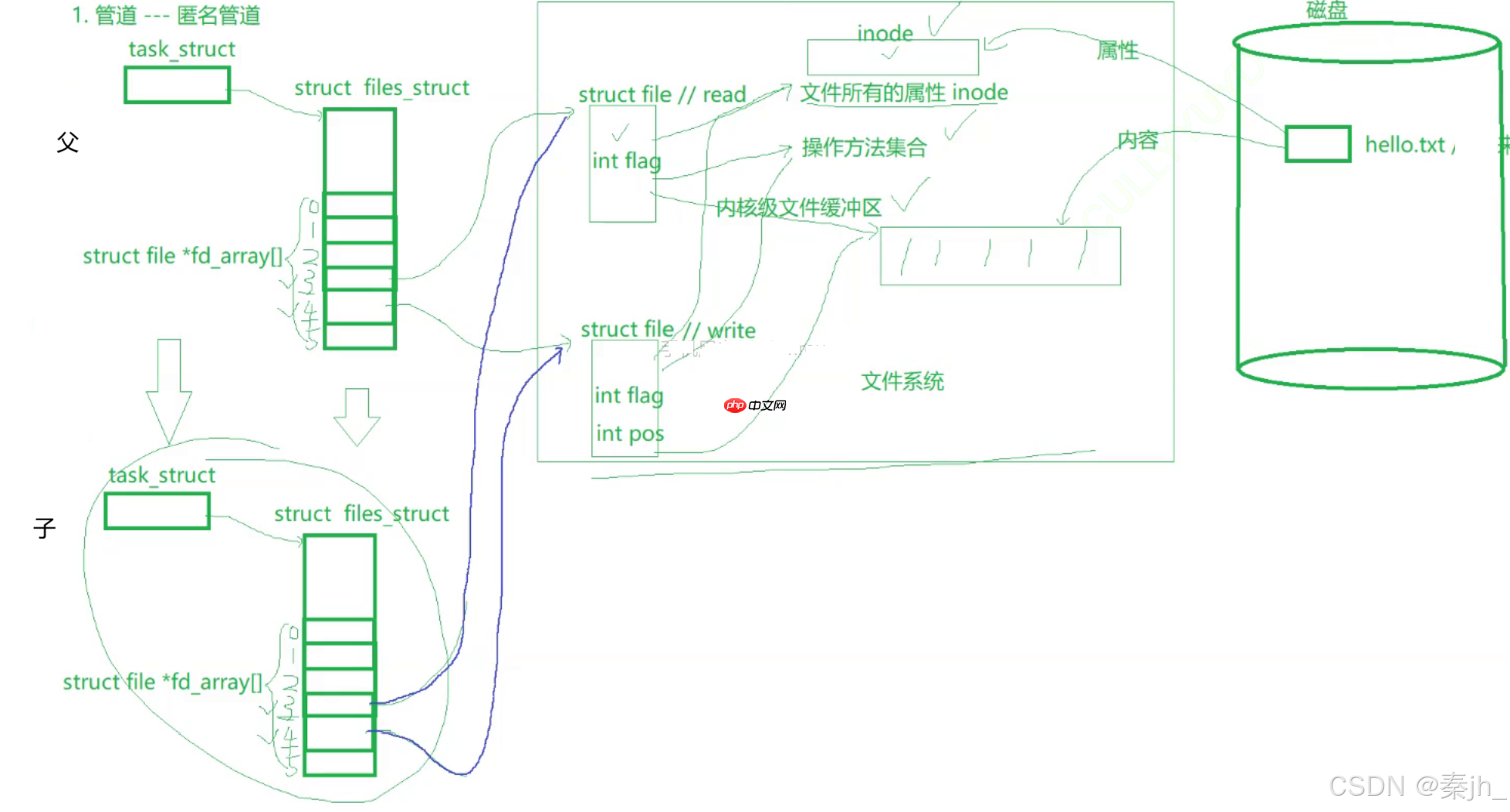
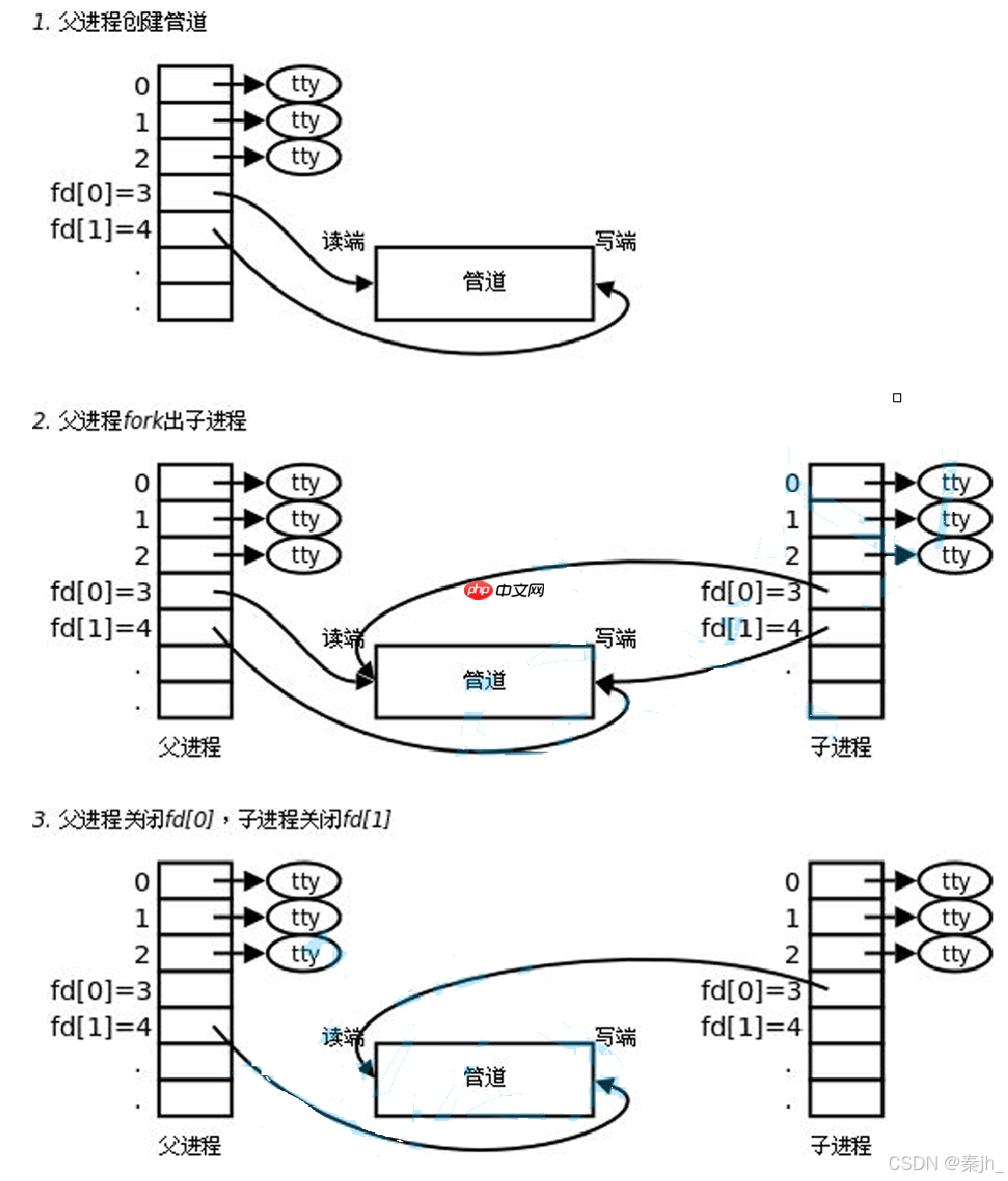
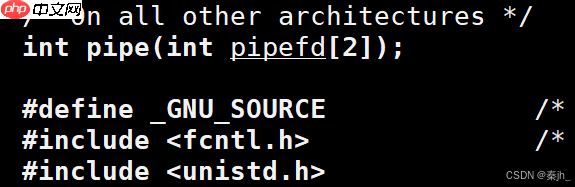
以下是使用管道进行通信的示例代码:
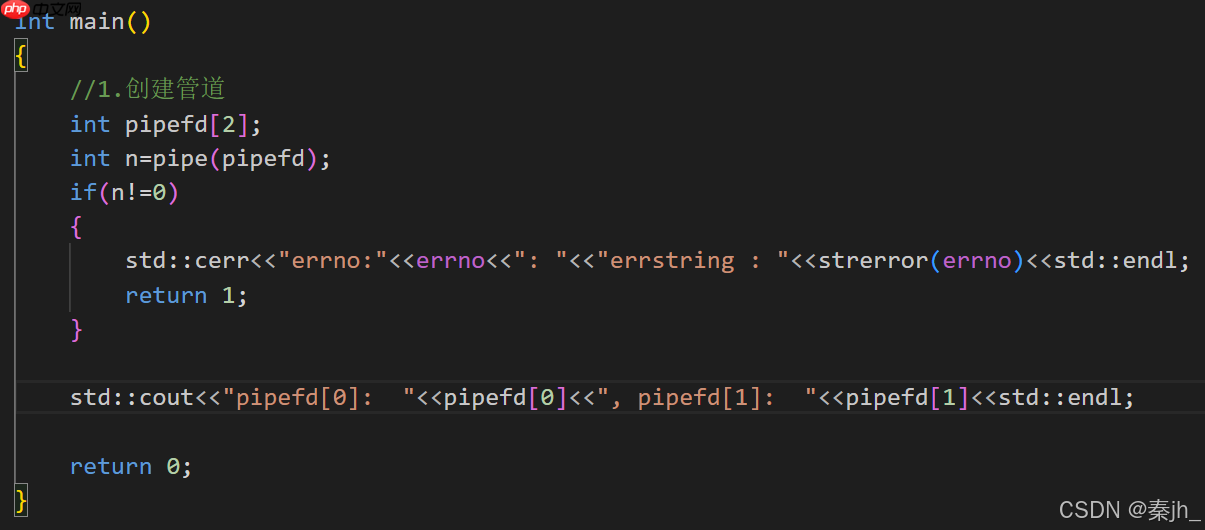

完整代码如下:
#include <iostream>
#include <string>
#include <cerrno>  // errno.h
#include <cstring> // string.h
#include <unistd.h>
#include <sys>
#include <sys>
const int size = 1024;
std::string getOtherMessage(){
    static int cnt = 0;
    std::string messageid = std::to_string(cnt);
    cnt++;
    pid_t self_id = getpid();
    std::string stringpid = std::to_string(self_id);
    std::string message = "messageid: ";
    message += messageid;
    message += " my pid is : ";
    message += stringpid;
    return message;
}
// 子进程进行写入
void SubProcessWrite(int wfd){
    int pipesize = 0;
    std::string message = "father, I am your son prcess!";
    char c = 'A';
    while (true)
    {
        std::cerr  0)
        {
            inbuffer[n] = 0; // == '\0'
            std::cout  0) exit(0);
        SubProcessWrite(pipefd[1]);
        close(pipefd[1]);
        exit(0);
    }
    std::cout  0)
    {
        std::cout >8)&0xFF) </sys></sys></unistd.h></cstring></cerrno></string></iostream>
管道的读取和写入行为如下:

- 如果管道内部为空且写端未关闭,读进程将被阻塞,直到写端写入数据。
- 如果管道已满且读端未读取且未关闭,写进程将被阻塞,直到数据被读取。
- 如果管道一直被读且写端关闭,读端的read返回值将为0,表示读到文件结尾。
- 如果读端关闭,写端一直在写入,写端进程将被操作系统用13号信号终止,相当于进程出现异常。
管道的特征
- 匿名管道:仅用于具有亲缘关系的进程之间的通信,常用于父子进程之间。
- 生命周期:随进程而存在。
- 同步机制:管道内部自带进程间同步机制,具有明显的顺序性。
- 字节流:管道文件在通信时是面向字节流的,写的次数和读取的次数不一定一一匹配。
- 通信模式:管道的通信模式是一种特殊的半双工模式,数据只能向一个方向流动;需要双向通信时,需要建立两个管道。
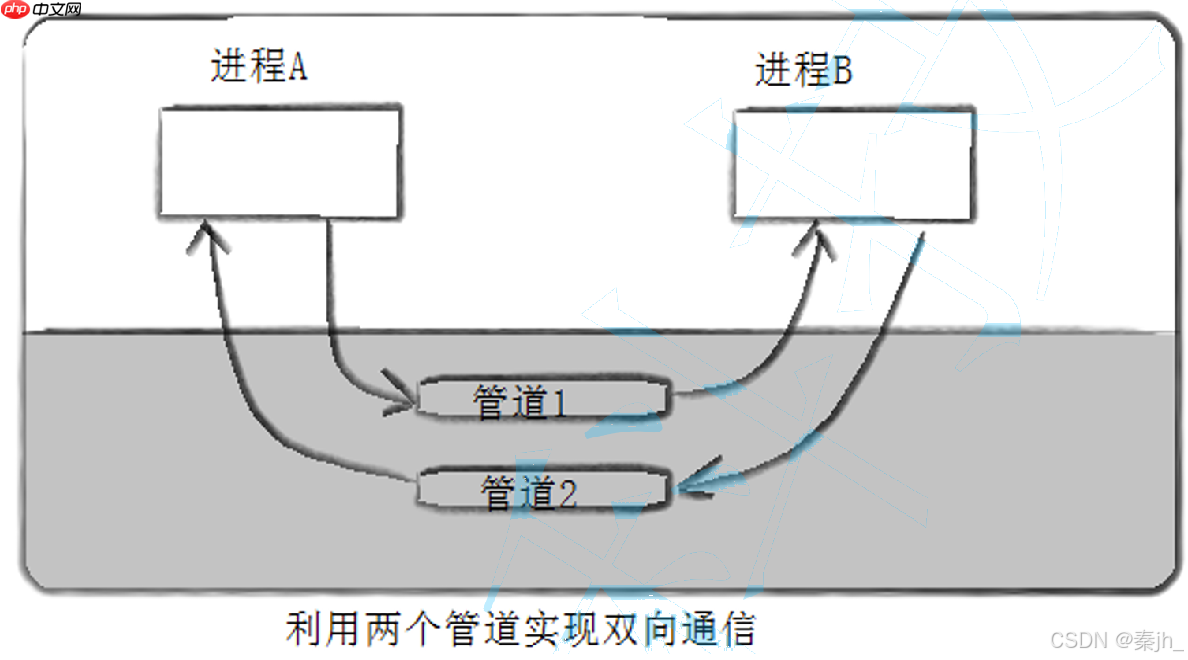
当要写入的数据量不大于PIPE_BUF时,Linux将保证写入的原子性;当要写入的数据量大于PIPE_BUF时,Linux不再保证写入的原子性。原子操作意味着写入操作不会被中断,读方要么读不到数据,要么读到完整的数据。


进程池实现
进程池的实现可以利用管道进行进程间通信。以下是进程池实现的示例代码:

ProcessPool.cc:
#include <iostream>
#include <string>
#include <vector>
#include <unistd.h>
#include <sys>
#include <sys>
#include "Task.hpp"
// void work(int rfd)
// {
//     while (true)
//     {
//         int command = 0;
//         int n = read(rfd, &command, sizeof(command));
//         if (n == sizeof(int))
//         {
//             std::cout  0)
//         {
//             std::cout  *channels, task_t task){
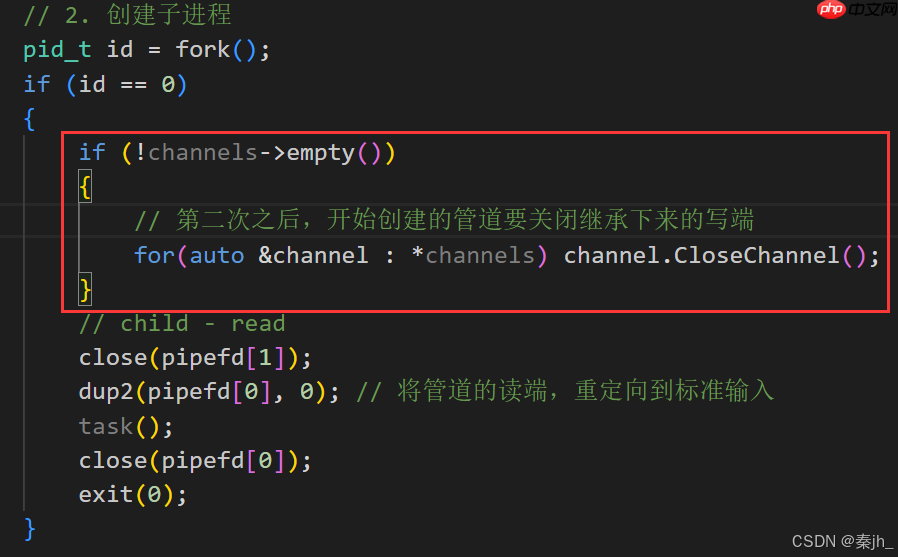
    for (int i = 0; i empty())
                {
                    // 第二次之后,开始创建的管道要关闭继承下来的写端
                    for(auto &channel : *channels) channel.CloseChannel();
                }
                // child - read
                close(pipefd[1]);
                dup2(pipefd[0], 0); // 将管道的读端,重定向到标准输入
                task();
                close(pipefd[0]);
                exit(0);
            }
            // 3.构建一个channel名称
            std::string channel_name = "Channel-" + std::to_string(i);
            // 父进程
            close(pipefd[0]);
            // a. 子进程的pid b. 父进程关心的管道的w端
            channels->push_back(Channel(pipefd[1], id, channel_name));
        }
    }
}
// 0 1 2 3 4 channelnum
int NextChannel(int channelnum){
    static int next = 0;
    int channel = next;
    next++;
    next %= channelnum;
    return channel;
}
void SendTaskCommand(Channel &channel, int taskcommand){
    write(channel.GetWfd(), &taskcommand, sizeof(taskcommand));
}
void ctrlProcessOnce(std::vector<channel> &channels){
    sleep(1);
    // a. 选择一个任务
    int taskcommand = SelectTask();
    // b. 选择一个信道和进程
    int channel_index = NextChannel(channels.size());
    // c. 发送任务
    SendTaskCommand(channels[channel_index], taskcommand);
    std::cout  &channels, int times = -1){
    if (times > 0)
    {
        while (times--)
        {
            ctrlProcessOnce(channels);
        }
    }
    else
    {
        while (true)
        {
            ctrlProcessOnce(channels);
        }
    }
}
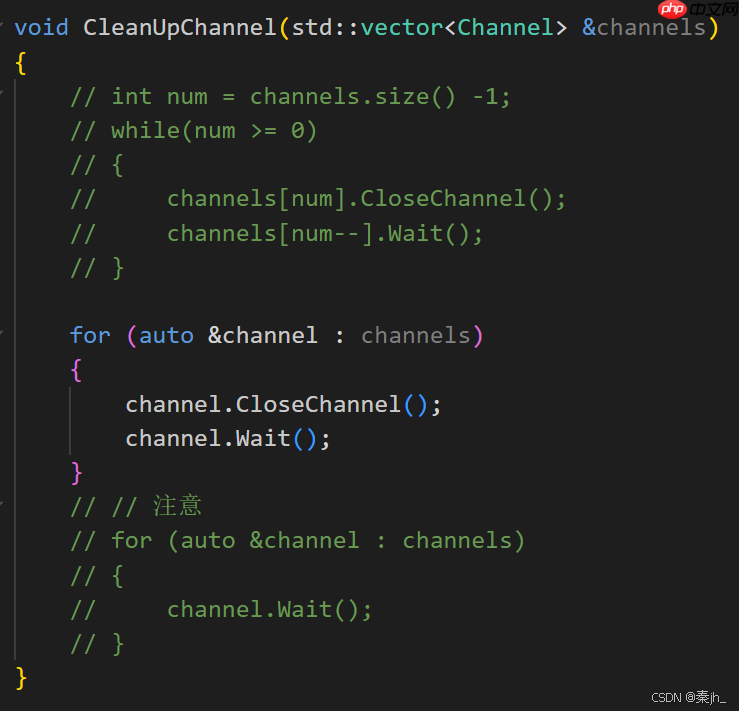
void CleanUpChannel(std::vector<channel> &channels){
    // int num = channels.size() -1;
    // while(num >= 0)
    // {
    //     channels[num].CloseChannel();
    //     channels[num--].Wait();
    // }
    for (auto &channel : channels)
    {
        channel.CloseChannel();
        channel.Wait();
    }
    // // 注意
    // for (auto &channel : channels)
    // {
    //     channel.Wait();
    // }
}
// ./processpool 5
int main(int argc, char *argv[]){
    if (argc != 2)
    {
        std::cerr  channels;
    // 1. 创建信道和子进程
    CreateChannelAndSub(num, &channels, work1);
    // 2. 通过channel控制子进程
    ctrlProcess(channels, 5);
    // 3. 回收管道和子进程. a. 关闭所有的写端 b. 回收子进程
    CleanUpChannel(channels);
    // sleep(100);
    return 0;
}</channel></channel></sys></sys></unistd.h></vector></string></iostream>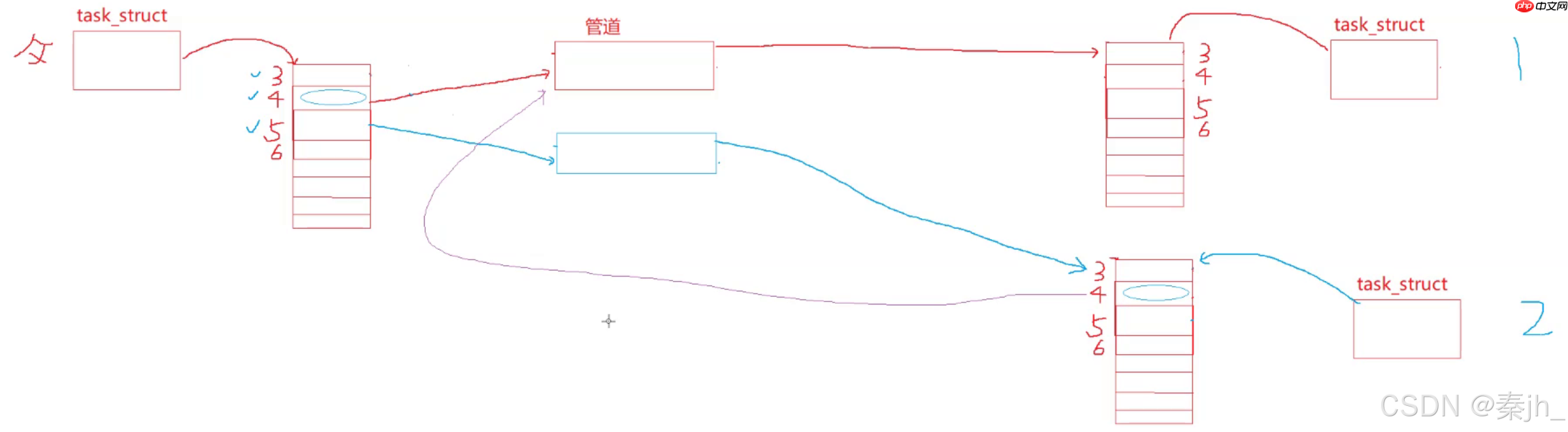
Task.hpp:
#pragma once
#include <iostream>
#include <ctime>
#include <cstdlib>
#include <sys>
#include <unistd.h>
#define TaskNum 3
typedef void (*task_t)(); // task_t 函数指针类型
void Print(){
    std::cout  2)
        return;
    tasks[number]();
}
int SelectTask(){
    return rand() % TaskNum;
}
void work(){
    while (true)
    {
        int command = 0;
        int n = read(0, &command, sizeof(command));
        if (n == sizeof(int))
        {
std::cout </unistd.h></sys></cstdlib></ctime></iostream> 




