

本文档旨在指导Go语言初学者在使用`gorest`框架处理POST请求时,如何正确解析和使用HTML表单提交的数据。我们将解释为何直接使用HTML表单提交数据会导致解析错误,并提供使用JavaScript发送JSON格式数据的解决方案,以及如何配置Go Rest服务以接收和处理JSON数据。
在使用Go Rest构建RESTful API时,处理POST请求并正确解析客户端发送的数据至关重要。 初学者经常遇到的一个问题是,如何正确处理HTML表单提交的数据。 默认情况下,gorest框架可能期望接收JSON格式的数据,而HTML表单通常以application/x-www-form-urlencoded格式发送数据。 这会导致数据解析错误。 本文将详细介绍如何解决这个问题,并提供使用JavaScript发送JSON格式数据的示例。
当使用HTML表单直接提交数据时,浏览器会将数据编码为application/x-www-form-urlencoded格式。 这种格式将数据键值对以key=value&key2=value2的形式发送。 然而,gorest框架可能默认期望接收JSON格式的数据,这导致解析器无法正确处理传入的数据,从而引发类似“invalid character 'k' looking for beginning of value”的错误。
为了解决这个问题,可以使用JavaScript将表单数据序列化为JSON格式,并通过AJAX请求发送到服务器。
1. HTML结构
首先,创建一个包含输入字段和按钮的HTML结构。 使用一个按钮,并绑定一个JavaScript函数来处理数据发送。
<div>
  <input type="hidden" name="endpont" value="http://127.0.0.1:8787/api/save/" id="endpoint"/>
  key: <input type="text" name="key" id="key"/><br />
  json: <input type="text" name="json" id="json"/><br />
  <input type="button" onclick="send_using_ajax();" value="Submit"/>
</div>
2. JavaScript代码
编写JavaScript代码来获取表单数据,将其转换为JSON格式,并使用XMLHttpRequest或fetch API发送到服务器。
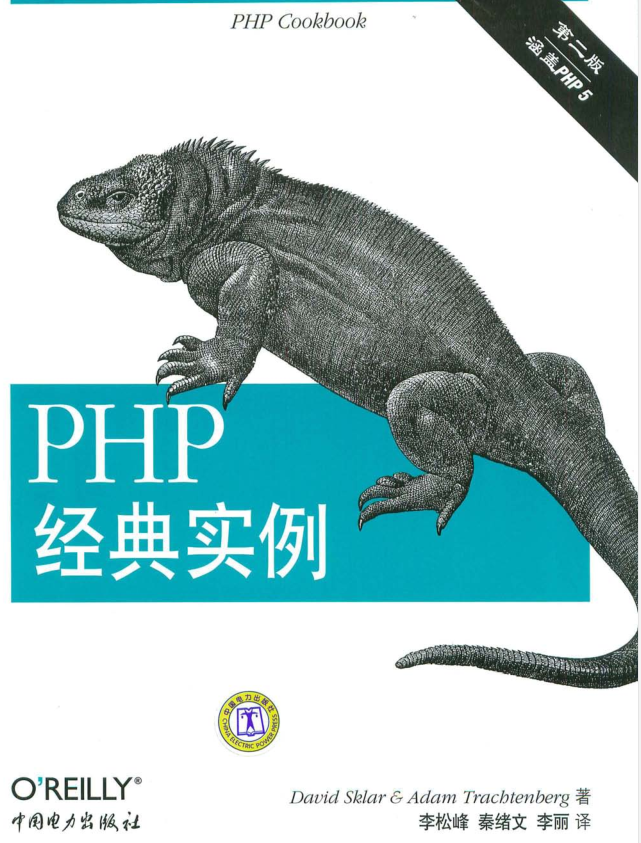
PHP经典实例(第2版)能够为您节省宝贵的Web开发时间。有了这些针对真实问题的解决方案放在手边,大多数编程难题都会迎刃而解。《PHP经典实例(第2版)》将PHP的特性与经典实例丛书的独特形式组合到一起,足以帮您成功地构建跨浏览器的Web应用程序。在这个修订版中,您可以更加方便地找到各种编程问题的解决方案,《PHP经典实例(第2版)》中内容涵盖了:表单处理;Session管理;数据库交互;使用We
 453
453

function send_using_ajax() {
  const endpoint = document.getElementById('endpoint').value;
  const key = document.getElementById('key').value;
  const json = document.getElementById('json').value;

  const data = {
    key: key,
    json: json
  };

  const jsonData = JSON.stringify(data);

  fetch(endpoint, {
    method: 'POST',
    headers: {
      'Content-Type': 'application/json'
    },
    body: jsonData
  })
  .then(response => {
    if (!response.ok) {
      throw new Error('Network response was not ok');
    }
    return response.json(); // Or response.text() if the server returns plain text
  })
  .then(data => {
    console.log('Success:', data);
    // Handle the response from the server
  })
  .catch(error => {
    console.error('Error:', error);
    // Handle errors
  });
}这段代码首先从HTML元素中获取key和json的值,然后创建一个包含这些值的JavaScript对象。 接着,使用JSON.stringify()方法将JavaScript对象转换为JSON字符串。 最后,使用fetch API发送POST请求,并在请求头中设置Content-Type为application/json,以告知服务器发送的是JSON数据。
3. Go Rest服务端的修改
在Go Rest服务端,需要修改HelloService的Save方法,使其能够正确接收和解析JSON数据。 首先,定义一个结构体来表示接收的数据:
type PostData struct {
    Key  string `json:"key"`
    Json string `json:"json"`
}

type HelloService struct {
  gorest.RestService `root:"/api/"`
  save   gorest.EndPoint `method:"POST" path:"/save/" output:"string" postdata:"PostData"`
}

func(serv HelloService) Save(PostData PostData) string {
  fmt.Println(PostData)
  return "success"
}这里定义了一个名为PostData的结构体,其中包含Key和Json字段,并使用json标签指定JSON字段的名称。 修改HelloService的Save方法,使其接收PostData类型的参数。 这样,gorest框架会自动将接收到的JSON数据解析为PostData结构体。
gotest.go:
package main

import (
    "fmt"
    "net/http"

    "github.com/gorilla/mux"
    "github.com/gorilla/handlers"
    "log"
    "encoding/json"
)

type PostData struct {
    Key  string `json:"key"`
    Json string `json:"json"`
}

func saveHandler(w http.ResponseWriter, r *http.Request) {
    if r.Method == "POST" {
        var data PostData
        err := json.NewDecoder(r.Body).Decode(&data)
        if err != nil {
            http.Error(w, err.Error(), http.StatusBadRequest)
            return
        }

        fmt.Printf("Received data: %+v\n", data)

        // Respond with success
        w.Header().Set("Content-Type", "application/json")
        json.NewEncoder(w).Encode(map[string]string{"status": "success"})
    } else {
        http.Error(w, "Method not allowed", http.StatusMethodNotAllowed)
    }
}

func main() {
    router := mux.NewRouter()

    // Define the /api/save/ route
    router.HandleFunc("/api/save/", saveHandler).Methods("POST")

    // Wrap the router with logging and CORS middleware
    loggedRouter := handlers.LoggingHandler(os.Stdout, router)
    corsHandler := handlers.CORS(
        handlers.AllowedOrigins([]string{"*"}), // Allows all origins
        handlers.AllowedMethods([]string{"POST", "OPTIONS"}),
        handlers.AllowedHeaders([]string{"Content-Type"}),
    )(loggedRouter)

    // Start the server
    fmt.Println("Server listening on :8787")
    log.Fatal(http.ListenAndServe(":8787", corsHandler))
}index.html:
<!DOCTYPE html>
<html>
<head>
    <title>Go REST POST Example</title>
</head>
<body>
    <div>
        <input type="hidden" name="endpoint" value="http://127.0.0.1:8787/api/save/" id="endpoint">
        Key: <input type="text" name="key" id="key"><br>
        JSON: <input type="text" name="json" id="json"><br>
        <input type="button" onclick="send_using_ajax();" value="Submit">
    </div>

    <script>
        function send_using_ajax() {
            const endpoint = document.getElementById('endpoint').value;
            const key = document.getElementById('key').value;
            const json = document.getElementById('json').value;

            const data = {
                key: key,
                json: json
            };

            const jsonData = JSON.stringify(data);

            fetch(endpoint, {
                method: 'POST',
                headers: {
                    'Content-Type': 'application/json'
                },
                body: jsonData
            })
            .then(response => {
                if (!response.ok) {
                    throw new Error('Network response was not ok');
                }
                return response.json(); // Or response.text() if the server returns plain text
            })
            .then(data => {
                console.log('Success:', data);
                alert('Success: ' + JSON.stringify(data));
                // Handle the response from the server
            })
            .catch(error => {
                console.error('Error:', error);
                alert('Error: ' + error);
                // Handle errors
            });
        }
    </script>
</body>
</html>通过使用JavaScript将HTML表单数据序列化为JSON格式,并使用AJAX请求发送到服务器,可以有效地解决gorest框架无法正确解析application/x-www-form-urlencoded格式数据的问题。 同时,需要在Go服务端定义正确的结构体来接收和解析JSON数据。 这样,就可以轻松地处理POST请求中的表单数据,并构建健壮的RESTful API。
以上就是使用Go Rest处理POST请求中的表单数据的详细内容,更多请关注php中文网其它相关文章!

每个人都需要一台速度更快、更稳定的 PC。随着时间的推移,垃圾文件、旧注册表数据和不必要的后台进程会占用资源并降低性能。幸运的是,许多工具可以让 Windows 保持平稳运行。

Copyright 2014-2025 https://www.php.cn/ All Rights Reserved | php.cn | 湘ICP备2023035733号


 319
319





 收藏
收藏